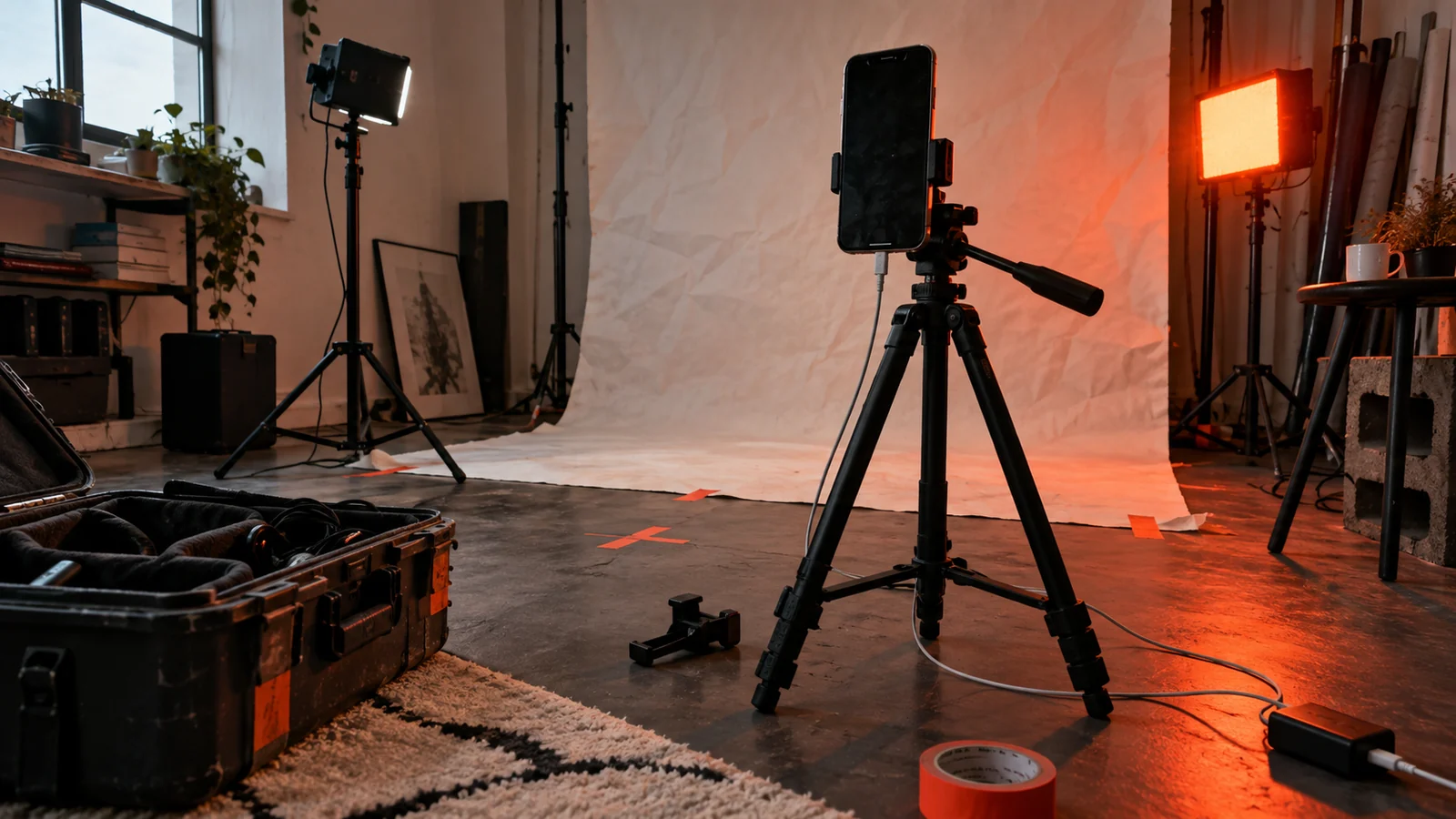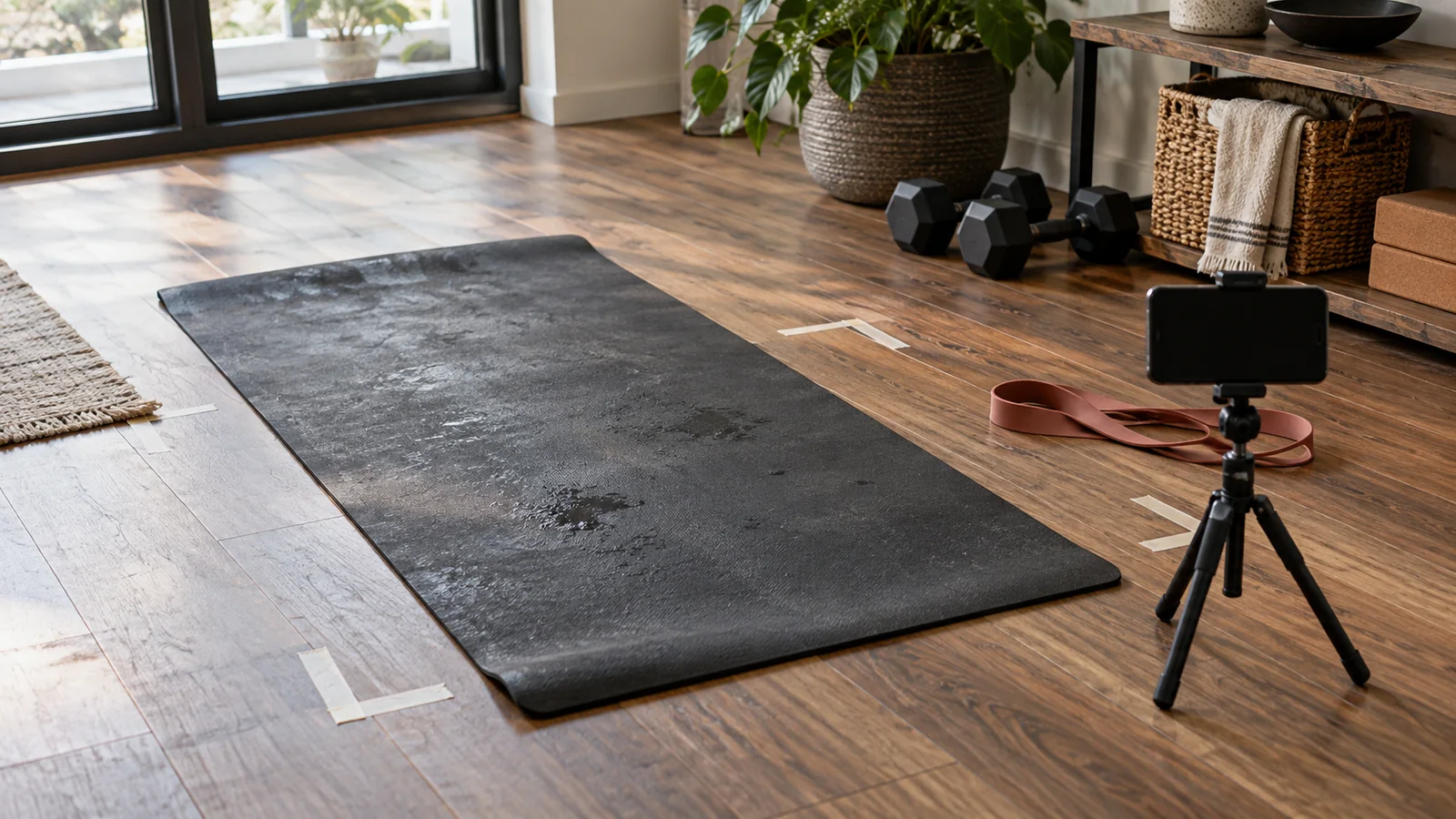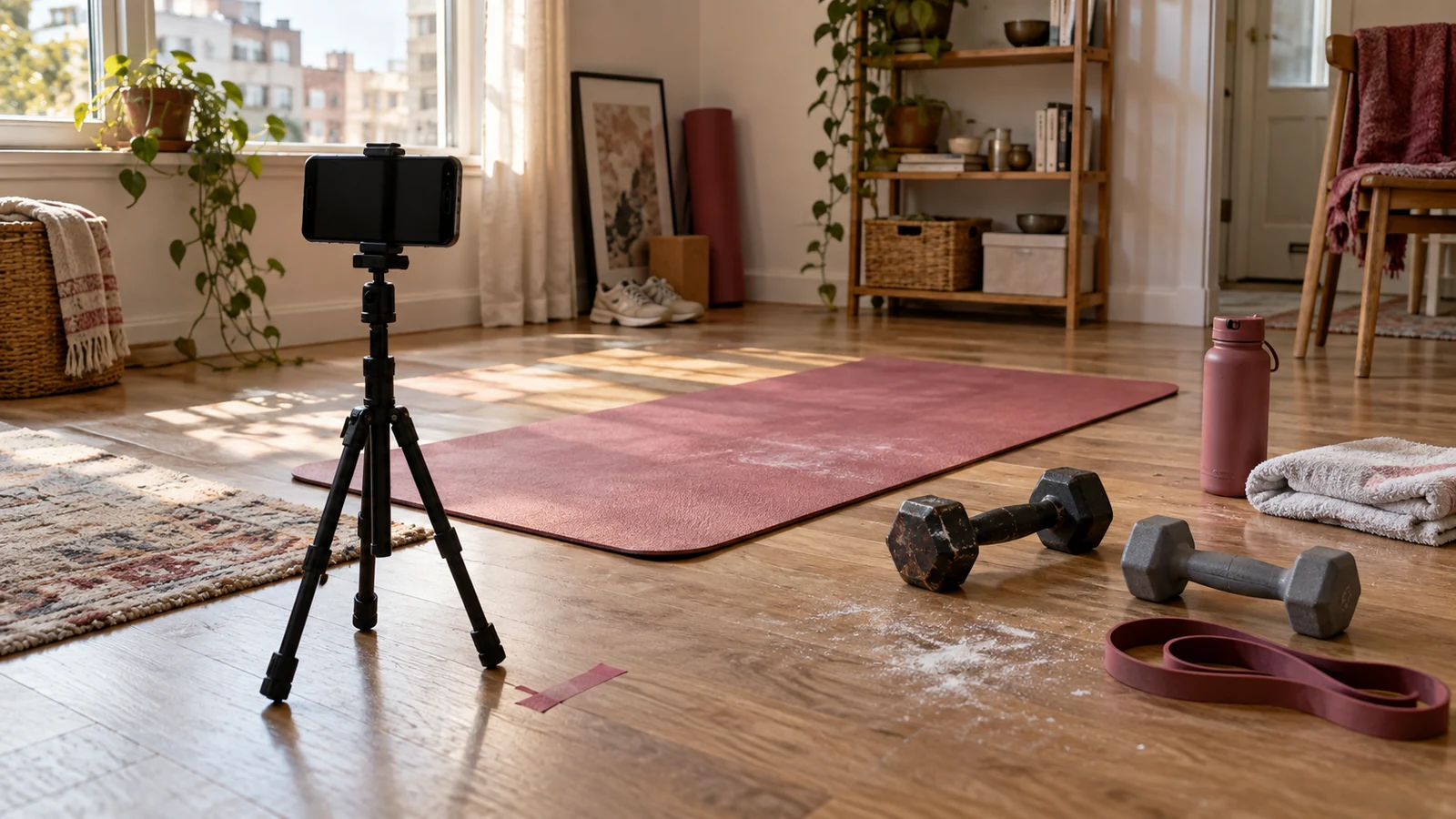
Good fitness content helps a viewer see a movement, understand the scope of the instruction and make a sensible next decision. It does not need dramatic angles or universal promises. The production system is built around safety, clarity, evidence and an honest boundary between demonstration and individualized coaching.
This is production guidance, not medical, rehabilitation or training advice. Avoid diagnosing viewers, promising results or presenting a general clip as a substitute for qualified individual assessment.
Define the viewer and the single purpose
Write a brief such as: “A beginner can see where the kettlebell starts and finishes in this controlled demonstration.” That is more usable than “make a fitness Reel.”
Choose one job:
- demonstrate a setup or movement pattern;
- compare two visible variations without declaring one universally best;
- explain a programming or equipment decision at a general level;
- document a routine's structure;
- answer a recurring audience question with an appropriate safety boundary.
One video should not teach every progression, correction and contraindication. Split complex topics into a series and link to qualified resources where necessary.
Plan safety before the camera
Choose a location with clear walkways, stable equipment, adequate light and permission to film. Do not create pressure to repeat a movement for the camera after fatigue, discomfort or unsafe conditions appear. Capture planned demonstrations in a way that does not disrupt other participants or expose them without consent.
State relevant context: experience level, equipment, whether a repetition is a demonstration rather than a prescription, and any limit that materially affects interpretation. “This is one setup option” is more responsible than “everyone should do this.”
Use angles that show the decision
Each shot should make one visible fact easier to judge. For a squat, a wide side view may show depth and balance; a closer view may show grip or foot placement. Do not alternate angles merely for energy if the change makes the movement harder to follow.
Build the sequence:
- identify the exercise or decision;
- show starting position;
- show the relevant movement phase;
- replay or annotate one important visual cue;
- provide an appropriate, limited conclusion.
Use slow motion only if it reveals something real. Label it if timing could be misunderstood.
Record usable sound and captions
If speech explains the movement, record it where the viewer can hear it. Gym music, ventilation and equipment noise can compete with instructions. Capture clean voice separately when practical, then add production sound sparingly where it proves an action.
W3C guidance recommends planning captions and descriptions early. Review generated captions for anatomy, exercise and equipment names. Captions should remain visible at phone size and avoid app-interface controls.
Keep claims narrow and sourced
Avoid claims about injury prevention, treatment, guaranteed outcomes, body change or nutrition unless the exact wording is supported by current qualified sources and fits the content's scope. A compelling edit is not evidence. Separate personal experience from factual instruction and disclose material commercial relationships clearly.
The FTC's influencer guidance emphasizes clear and conspicuous disclosure when a relationship with a brand could affect what an audience thinks. Plan that disclosure in the brief, including any gift, affiliate relationship or paid partnership.
Edit for readability, not intensity
Start with the movement or the visible question. Let the proof arrive before transitions, music drops or presenter introduction. Use B-roll only when it reveals setup, load, environment or a relevant comparison. Keep before-and-after presentations comparable and avoid lighting or edits that misrepresent the result.
Use music only if it supports the pace and rights path. Store a clean master without platform-specific music.
Review the finished piece
Before publishing, check that the action is visible from start to finish, the instructional scope is clear, captions are accurate, commercial relationships are disclosed, people have consented, music is licensed for the intended use and the next step does not overstate what the video can deliver.
Measure the response by understanding: do viewers ask relevant questions, save the explanation, or show that they could identify the intended cue? Do not let views alone reward riskier or less accurate framing.
Fitness content becomes more valuable when it is calm enough to inspect. The strongest production choice is the one that helps the right viewer understand what is shown without pretending to solve an individual problem through a short clip.
When the edit needs music after the instructional structure is set, review the disclosed STIS music for fitness and workout videos
Decision Flow