A Halloween costume lookbook becomes useful when it answers questions a still image cannot: how the outfit moves, which pieces are reused, what layers fit underneath and what changes for walking outside. Give the costume a clear seasonal character, then show it as something a person can actually wear.
Choose a small number of complete looks rather than a long sequence of barely visible transitions. A witch-inspired outfit, a retro ghost-hunter look or an original autumn character can each have its own practical explanation. You do not need to promise an exact replica of a protected fictional costume to make the video engaging.
Choose a comparison that helps the audience
Plan one useful decision per look. For example, compare a wardrobe-based version with a version that adds one purchased accessory. Or show the same character with an indoor layer and an outdoor layer. The viewer should understand what changed and why.
Gather the pieces before shooting and make a short inventory: owned items, borrowed items, new purchases and handmade elements. Record what was actually spent without describing owned pieces as universally free. If you use affiliate links or received products, disclose that relationship clearly where viewers encounter the recommendation.
Avoid suggesting that a price, stock status or shipping promise is permanent. Seasonal availability can change quickly. State when you checked a specific purchase detail and direct the viewer to the seller's current page for the actual offer.
Capture a consistent set of useful views
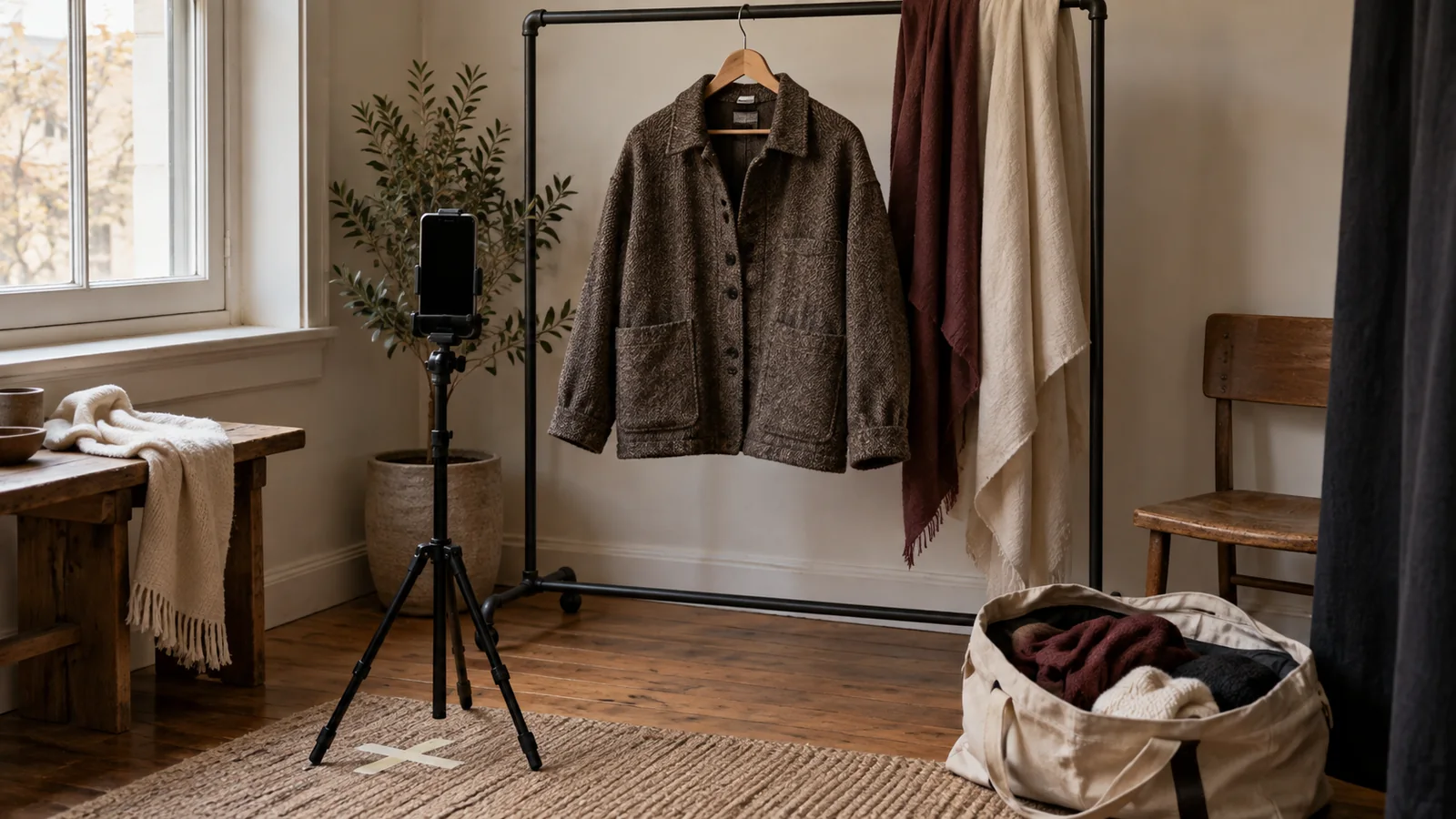
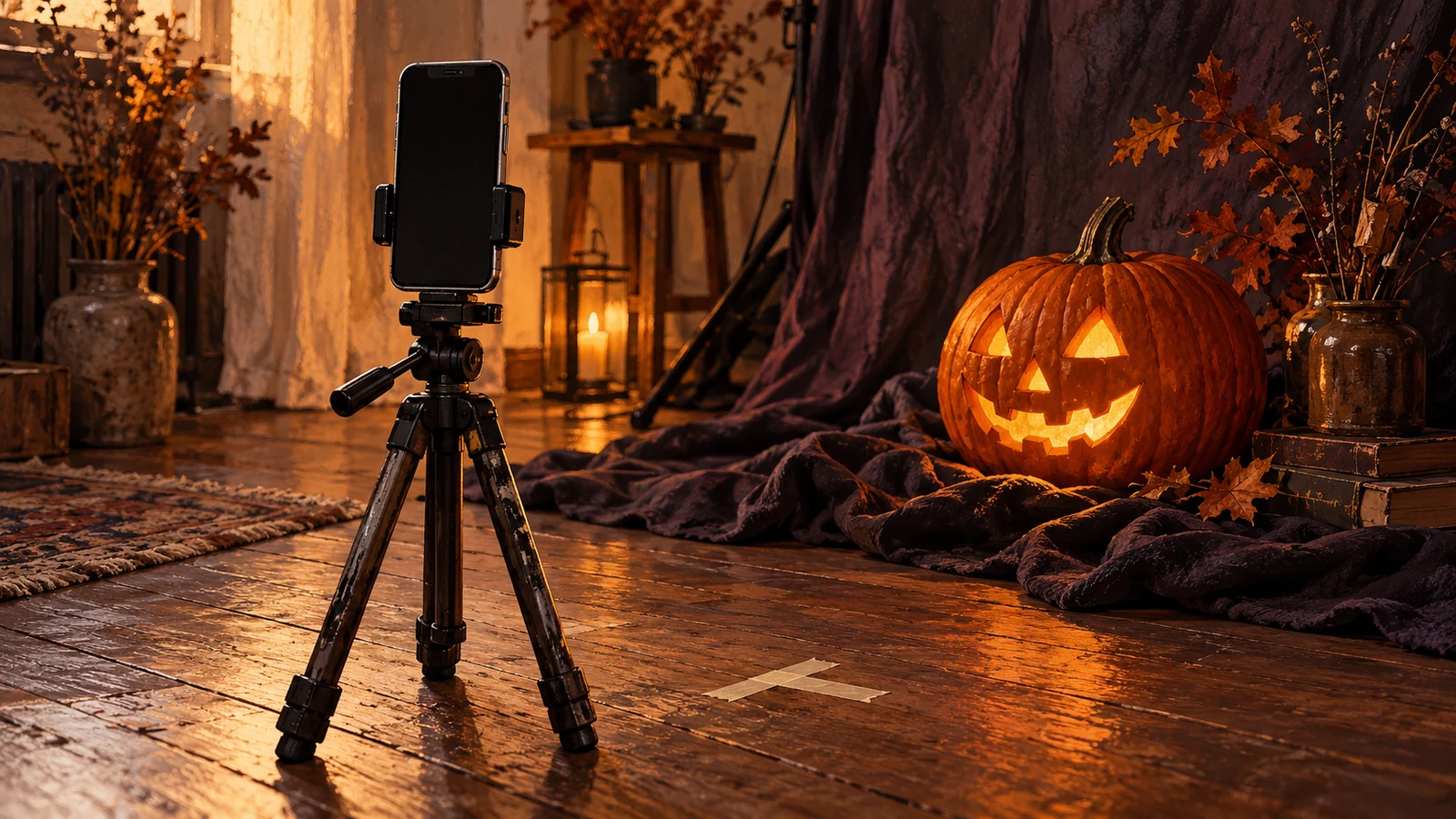
Use one full-length camera position for all looks. Leave enough space around the wearer for a turn and a short movement. Put the camera at a stable height so a transition does not make the second outfit appear to fit differently merely through a changed angle.
| View | What the viewer learns | Common filming problem |
|---|---|---|
| Front full length | Overall silhouette and proportion | Feet or head disappear outside the frame |
| Side and back | Shape beyond the opening pose | The turn is cut before the view settles |
| Walking or sitting | How the outfit behaves in use | The action is hidden by a transition |
| Detail closeup | Texture, attachment or accessory | A dark grade hides construction |
| Layer comparison | What changes for weather or venue | The video never names the changed piece |
Record each useful view before adding creative transitions. If the transition fails, you still have enough footage for an informative edit.
Let the transition lead into a readable hold
A lens cover, turn or prop movement can connect outfits. Match the gesture and framing, then hold the completed look long enough to inspect it. If every reveal immediately turns into another reveal, the viewer sees the editing technique more clearly than the clothes.
For a two-version witch-inspired example, open with the base outfit. Show the hat and coat as separate additions, then complete the transition into the full look. Follow with a side view and a closeup of the fastening. The useful story is how a few pieces change the character, not how quickly the creator can disappear between frames.
Use a second angle only when it shows something new. A closeup of a cuff or brooch earns its place if it explains an attachment, material or reused detail. It adds little if it repeats an accessory already obvious in the full-length shot.
Check movement and the real location
Test walking, turning, sitting and opening a door before filming in a public setting. A dramatic train or obstructive mask may be inconvenient even when it looks effective in a static image. Do not stage unsafe movement just to demonstrate a failure.
The NFPA's Halloween safety sheet advises avoiding trailing costume fabric and maintaining visibility through masks. Apply that advice to the filming setup too: keep fabric away from heat sources and clear the path through the set.
For an outdoor shoot, check the conditions, venue access and consent of anyone appearing recognizably. If the costume includes a prop that could alarm others, use a controlled private setting and follow applicable venue rules. A convincing frame does not require surprising strangers.
Choose music for the reveal and the detail
Disclosure: STIS is operated by Angry Media, NicheFrame's publisher. The seasonal STIS album linked below can be previewed alongside other licensed tracks for the costume sequence. Use the soundtrack to support the change, then reduce its prominence when explaining pieces, layers or fit.
Compare a music-led version with a voice-led version. If viewers need practical purchasing or construction details, voice and captions may deserve more space than a succession of beat-synced cuts. A seasonal track is useful only if the complete look remains readable.
Publish the outfit as a reproducible idea
Check the piece list against the footage and include the actual distinction between versions. Label handmade or modified items so viewers know what the retail purchase alone supplies. Watch muted to confirm that the comparison still makes sense.
Finish with a complete view of the outfit and one honest practical note. The viewer should leave with a character idea, a clear set of pieces and an understanding of how the costume behaves beyond its most flattering pose.
If the cut still hides the outfit, use readable outfit transition planning to simplify the sequence.