Useful travel content gives viewers orientation and a decision, not only attractive footage. A destination montage can be beautiful, but a practical guide explains where the moment happened, what conditions mattered and how current the information is.
Travel facts change quickly. Transport, access, prices, visas, opening hours, weather and safety conditions must be checked against current primary sources before being published as advice.
Define the trip question
Choose one viewer decision: whether a route fits a time window, how to reach a trailhead, what to pack for a specific condition, where a photo was made, or how to structure one day. State your actual experience separately from verified public information.
Avoid presenting a personal itinerary as universally safe, affordable or available. Record date, season, accessibility constraints and relevant permissions while traveling; those facts become hard to reconstruct later.
Capture orientation before beauty shots
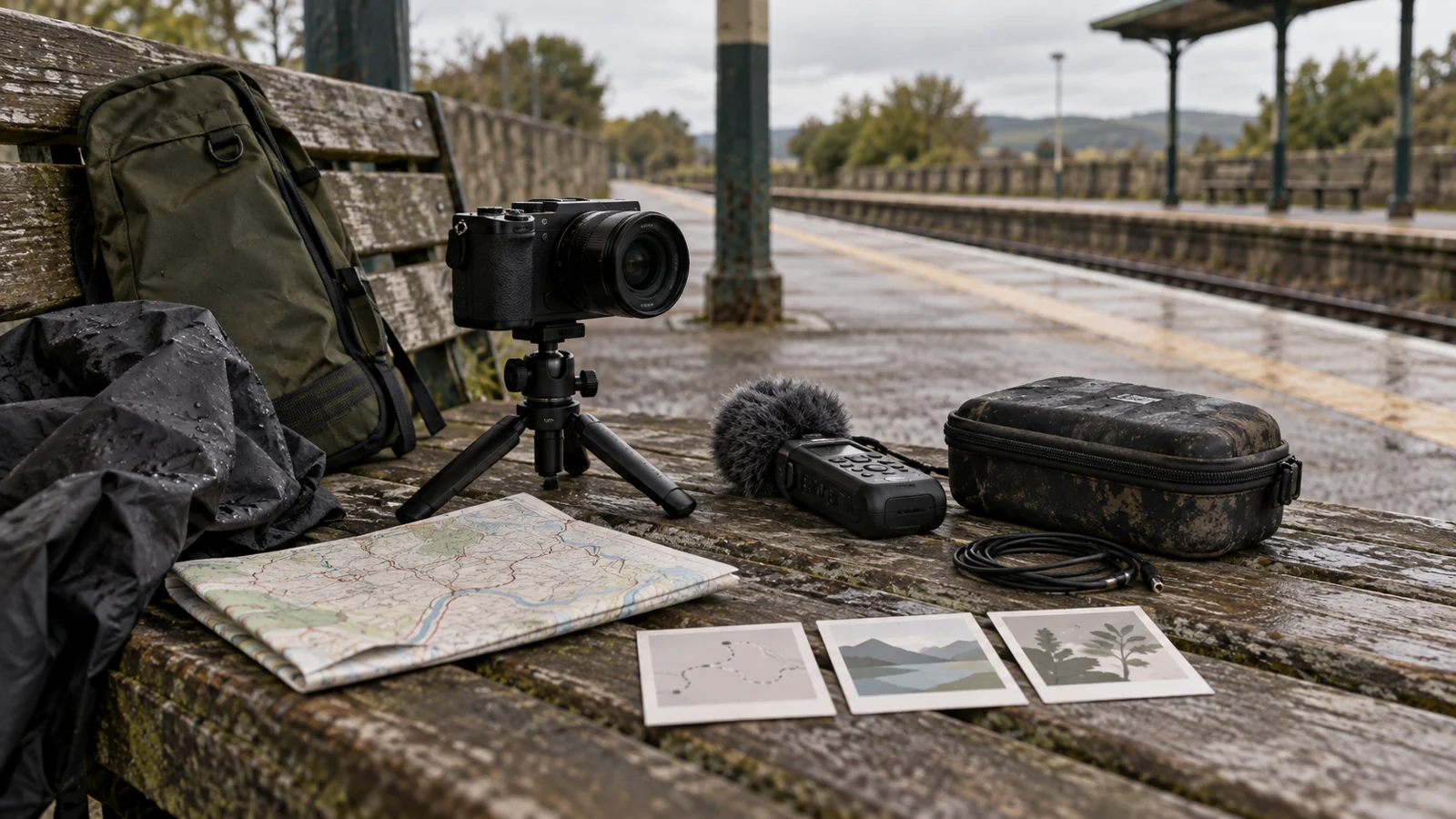
Collect five kinds of evidence:
- arrival or route context;
- wide view that establishes place;
- detail that explains a decision;
- action that shows scale or condition;
- closing reference that connects the experience to the viewer's next step.
Do not reveal sensitive locations, private residences or vulnerable places without considering local rules and consequences. Get consent before filming identifiable people, especially where a camera changes the experience.
Plan for sound and changing conditions
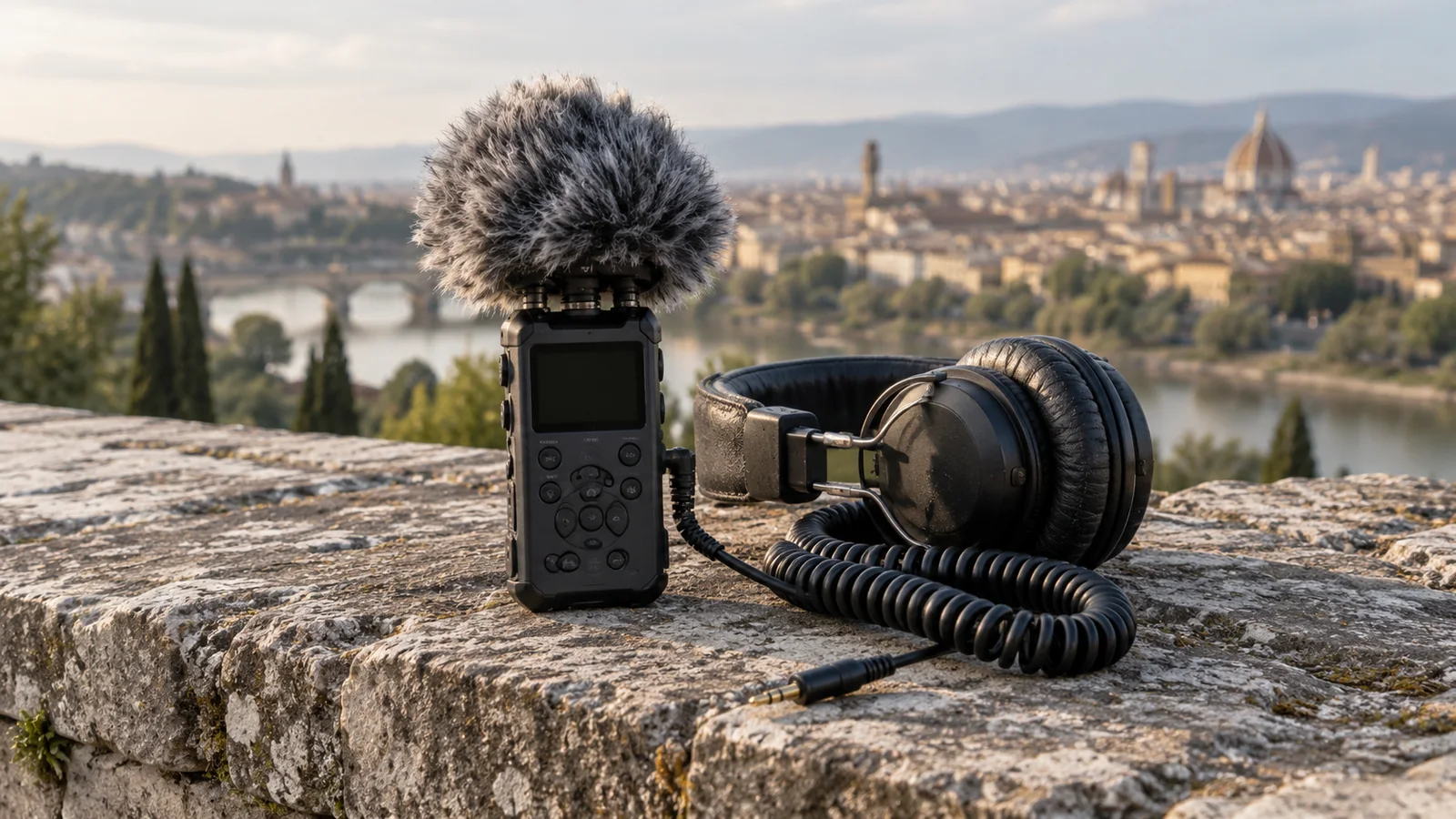
Wind, crowds, engines and water can overwhelm narration. Record short clean voice segments where possible, capture meaningful location sound and keep narration separate from music. If audio carries a safety or orientation instruction, ensure it remains intelligible and caption it accurately.
Weather and light change quickly. Capture reference images or notes of the conditions when they support a claim. Do not use one unusually clear or quiet moment to imply a normal condition without context.
Build a practical sequence
Open with the decision or condition, establish the place, show the route or experience, then resolve with the limited takeaway. Use maps, labels and times only after verifying them. State access or booking uncertainty rather than giving outdated certainty.
Captions should include place names, directions and meaningful non-speech audio. W3C guidance supports planning captions and descriptions before final editing; this is especially useful when images and ambient sound both carry orientation.
Keep commercial context visible
Hotels, airlines, tourism boards, gear suppliers and booking links can create material connections. Disclose paid, gifted, affiliate or hosted arrangements clearly according to applicable law and platform rules. The FTC's disclosure guidance is a baseline for content reaching U.S. consumers; other jurisdictions can impose additional requirements.
Do not turn a sponsor brief into a statement about safety, availability or price without current evidence. Preserve the agreement and final claims in the project archive.
Run a field-to-edit handoff
At the end of each filming day, make a compact note containing date, location label, route or venue source, weather/season, consent status, outstanding facts and the filename of each essential clip. Back up the originals before clearing storage. This handoff prevents a familiar editing problem: a beautiful shot reaches the timeline without the factual context needed to publish it responsibly.
During review, mark every statement as either observed experience, current source-backed fact or creative description. Only the second category needs a live source link, but all three need wording that tells the viewer which is which. If a route, ticket, access condition or safety rule cannot be verified, remove the instruction or present it as a question to confirm locally.
Edit for durable usefulness
Use descriptive titles and labels rather than relying on current trends. Keep a clean master, music-rights record, date/location notes and source links. Set a review date for platform-sensitive or time-sensitive guidance.
Before publishing, confirm locations and names, check captions, avoid misleading travel times or costs, review identifiable people and property, verify disclosure and test all destination links. The goal is a travel video that remains honest when the viewer encounters it weeks or months later.
The strongest travel content combines atmosphere with orientation: it lets someone feel the place while still understanding the condition under which the experience occurred.
After the useful travel context is intact, review the disclosed STIS music for travel videos