A local Halloween or autumn travel video becomes useful when it answers one real visiting question. Show how a seasonal place feels, but also explain access, walking conditions, time commitment and what to do if the main plan changes. The audience should leave with more than a sequence of orange leaves and dramatic music.
Choose a place you can visit responsibly and verify its current information close to filming. This guide does not recommend a particular event or claim that any named venue is open. The method works for an autumn neighborhood walk, an authorized seasonal attraction or a daytime visit to a place with documented local history.
Select a question rather than a collection of views
Useful questions include “What can I see on a short walk without entering an attraction?” or “How does this seasonal venue work for a first-time visitor?” These prompts lead to specific evidence: an entrance, route, sign, waiting area or accessible alternative.
Keep the route compact enough to explain. If you visit several unrelated locations, the video may become a list without helping viewers decide. One well-described place can provide an establishing view, a seasonal detail, a practical observation and a clear ending.
For a historic site, distinguish documented history from local legend. Name the source of a story and avoid presenting an invented haunting as a factual event. Atmosphere can come from the light, architecture and narration without making unsupported claims about a real location.
Verify details before leaving
Check the official operator or municipality for access, booking, hours, route restrictions and filming conditions. Record the date you checked. Recheck material details before publication, especially for a seasonal event whose arrangements can change during October.
The National Park Service's trip-planning guide recommends checking conditions, requirements and a backup plan for park visits. Apply that planning mindset to a local shoot while recognizing that the specific venue's rules control your activity.
| Question | Evidence to gather | Honest wording if unresolved |
|---|---|---|
| Where does the visit begin? | Official entrance information and a permitted establishing shot | “Confirm the current entrance with the operator.” |
| What can visitors access? | Current route or access guidance | “This section was accessible during my visit.” |
| What does it cost? | Official current price or your actual receipt | “Prices may change; check the booking page.” |
| What if the weather changes? | An authorized alternative or a shorter route | “This is my backup plan, subject to access.” |
| May I film here? | Venue policy or permission where needed | “Filming permission needs a separate check.” |
Do not fill a missing practical fact with a confident guess. A clearly stated limitation helps viewers make a better decision than a polished but inaccurate itinerary.
Film a small evidence sequence
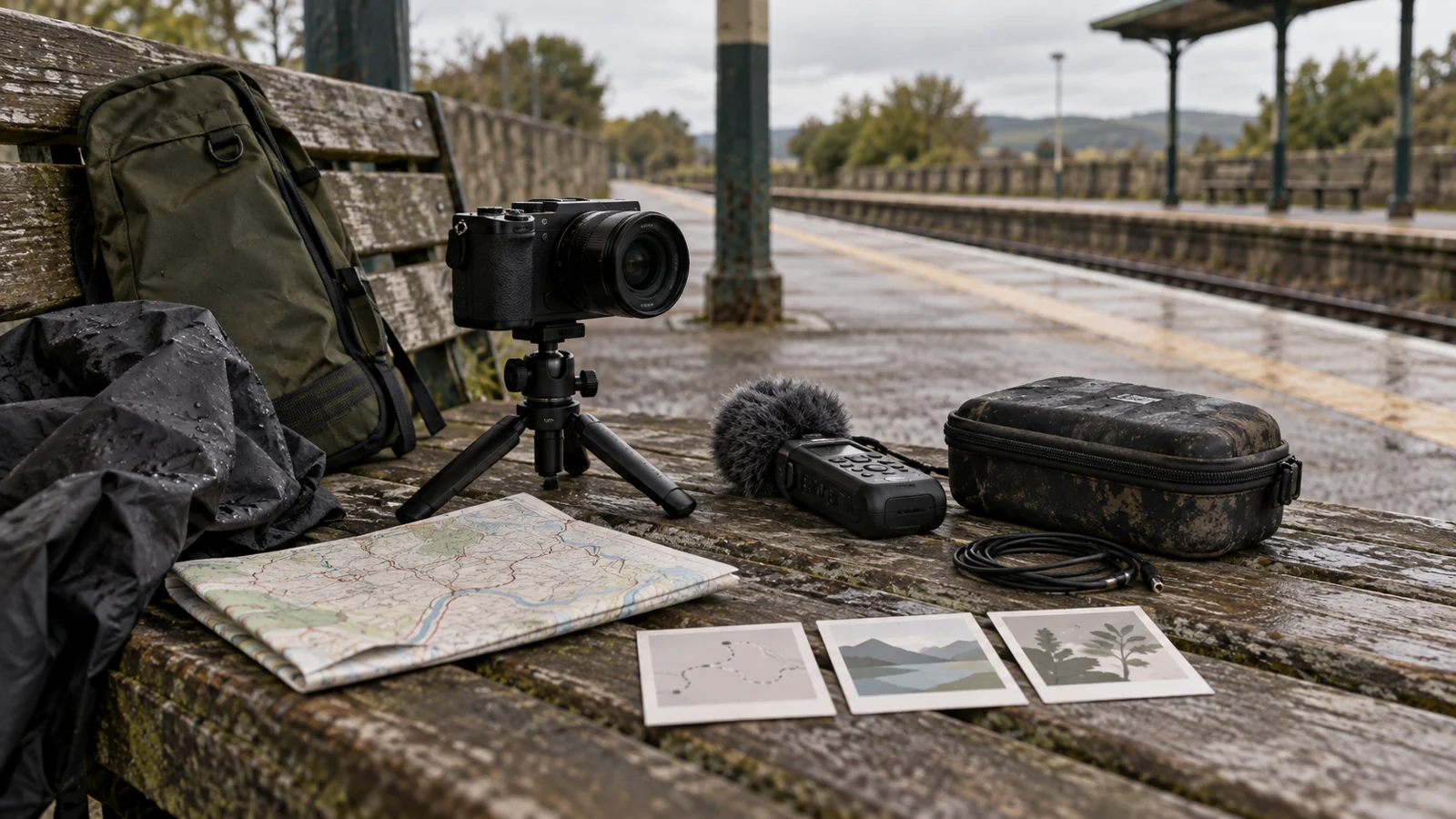
Start with a permitted wide view that identifies the location without revealing private addresses unnecessarily. Capture the actual entrance or route context when allowed, then one seasonal detail and one observation useful to visitors. End with your real experience of the route or visit.
For an autumn walk, this might mean a public route sign, the surface underfoot, a seasonal display viewed from permitted space and a clear turnaround point. Record enough context to explain whether the visit was a brief stop or a longer activity. Avoid calling the route accessible to everyone solely because you personally completed it.
Keep practical shots readable. A dark cinematic grade may create mood, but viewers still need to see the surface, sign or entrance you are describing. Include a neutral view before the creative montage.
Respect the location and the people using it
Stay within authorized areas and follow the local operator's instructions. Do not cross a barrier, enter an abandoned property or stage an encounter in a cemetery to improve the story. In sensitive locations, prioritize the purpose of the place and the privacy of others.
Obtain permission when it is needed for filming or identifiable participation. Avoid centering strangers, especially children, in a seasonal attraction video without an appropriate basis. If a crowded moment prevents a respectful shot, film another angle or return at an allowed quieter time.
Travel in conditions appropriate to your experience and equipment. If filming after dark, plan the return and keep normal navigation available. The visual goal should not make you continue when weather, terrain or access makes the original plan unsuitable.
Use real location audio carefully
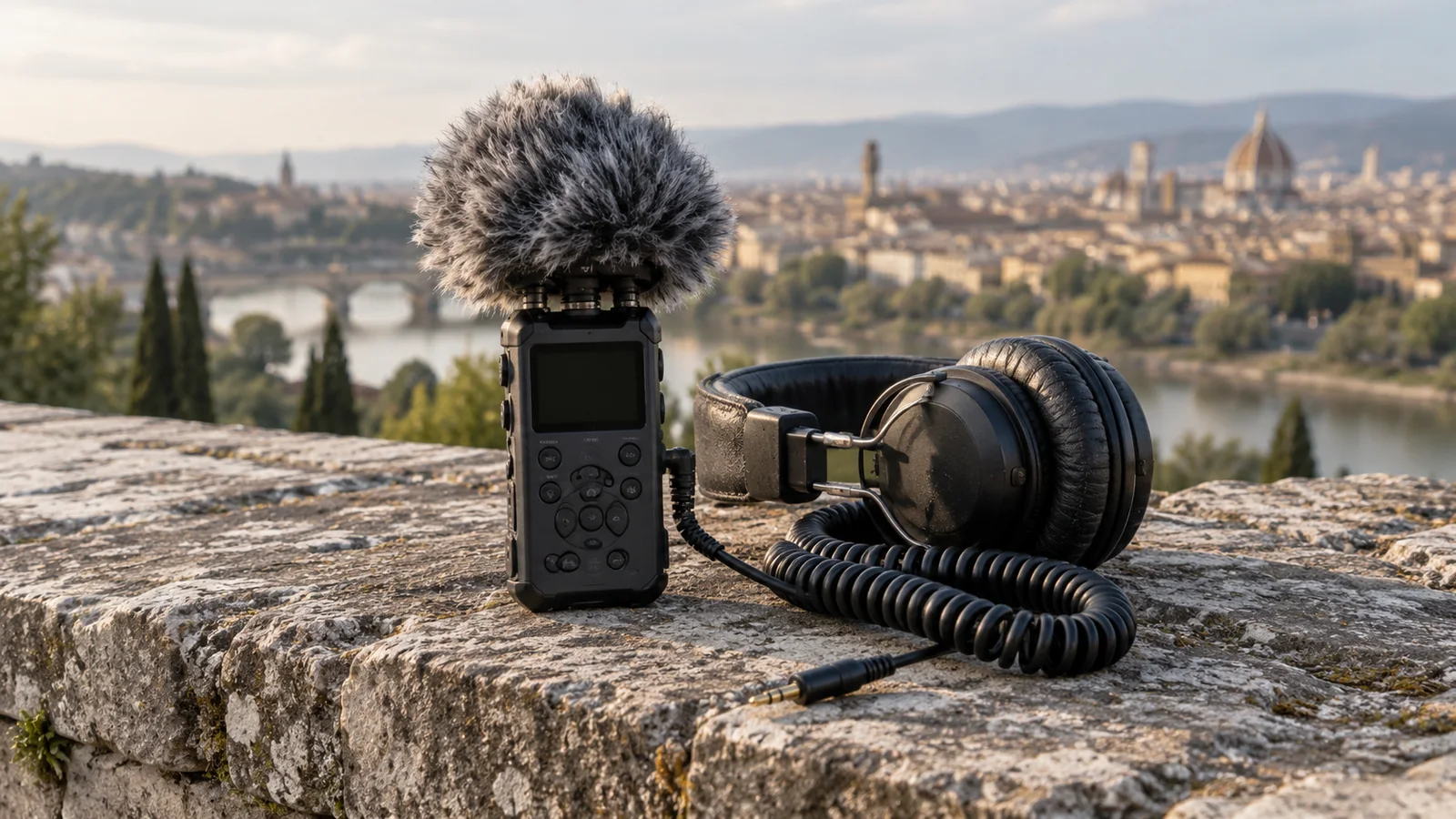
Record a brief atmosphere clip only where it is appropriate and permitted. Wind, leaves or ordinary footfall may describe the place better than an aggressive seasonal score. Avoid publishing private conversations captured incidentally.
Music playing at an event or attraction can create a separate rights issue in your video. Do not assume an admission ticket clears the soundtrack for online distribution. Use a cleared alternative, narration or a quieter recording when needed, and preserve the location's real character without misleading effects.
Publish the visit with a date and a limitation
State when you visited and which details you verified. Link to the relevant official information you actually used, rather than a search result or an old promotional post. Explain one practical limitation such as weather, crowds or a section you did not enter.
The finished story should connect atmosphere with evidence. Viewers can enjoy the seasonal setting while understanding what your footage proves, what might change and which details they must check before making their own visit.
Use the travel video shot checklist to collect practical evidence before spending time on additional atmosphere shots.